
The Allure of Casino Atmosphere
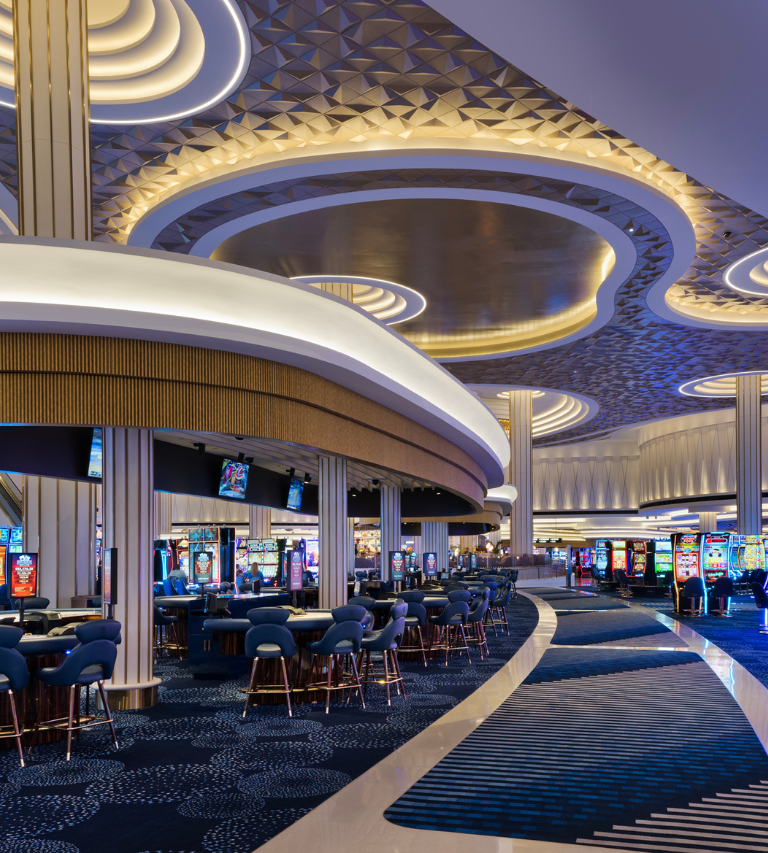
The atmosphere of a casino plays a crucial role in the overall gambling experience. From the moment players step inside, they are enveloped in an environment designed to evoke excitement and anticipation. Bright lights, vibrant colors, and the sounds of spinning reels and clinking chips create a stimulating setting that is hard to resist. This sensory overload can heighten the thrill of winning, making it feel more attainable and realistic. Some players even seek out the top bitcoin casinos to enhance their excitement and chances of winning.

The ambiance is meticulously crafted to encourage prolonged engagement. Casinos often employ psychological tactics like scent marketing, with pleasant aromas wafting through the air to keep visitors feeling comfortable and relaxed. This combination of sensory elements fosters a positive emotional state that can lead to more impulsive decision-making, increasing the likelihood of placing higher bets.
The Role of Cognitive Biases
Cognitive biases are systematic patterns of deviation from norm or rationality in judgment. In the context of gambling, biases such as the gambler’s fallacy can heavily influence player behavior. This fallacy involves the belief that past events can affect the probability of future outcomes in games of chance, leading players to make irrational bets based on previous wins or losses. Such misconceptions can create a false sense of confidence and strengthen the desire to continue playing.
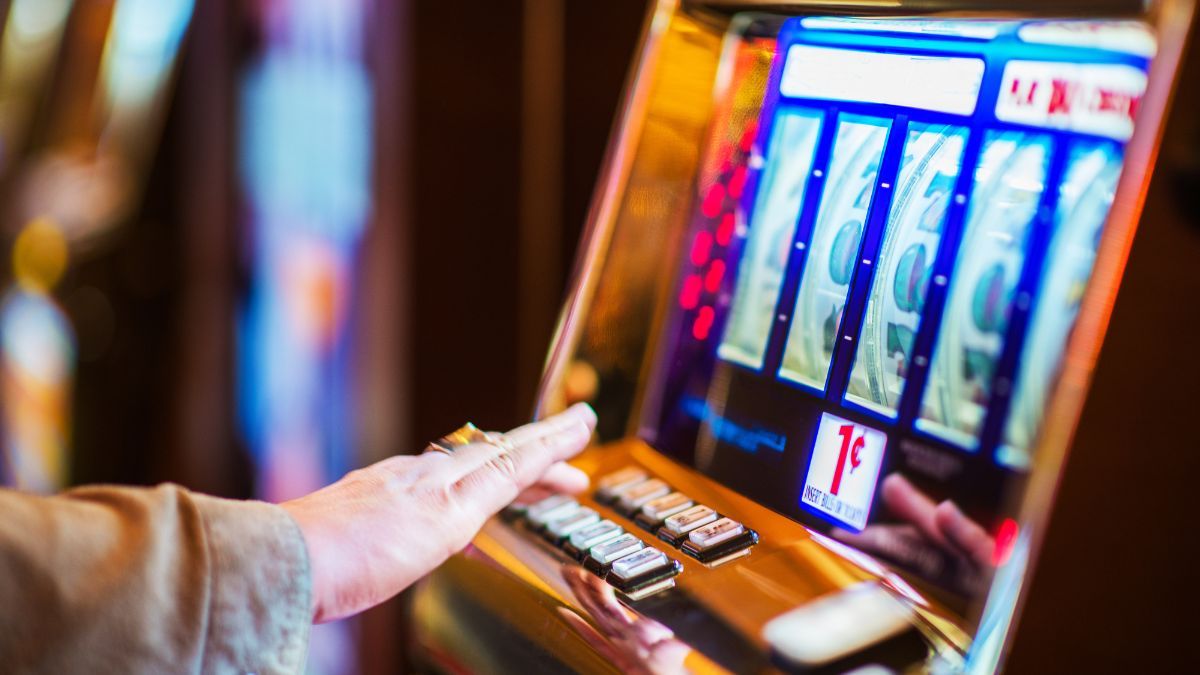
Moreover, near-miss effects, where players almost win but do not, can significantly impact their decisions. This phenomenon can lead to increased motivation to keep playing, as players interpret these near-wins as signs of impending success. These cognitive biases blur the reality of the odds, making it easier for players to persist in hopes of a big win, despite the statistically unfavorable outcomes.
The Emotional Rollercoaster of Winning and Losing
The emotional highs and lows associated with gambling can be profound. Winning can trigger a rush of excitement, releasing dopamine in the brain, which reinforces the behavior and encourages players to chase that feeling. This chemical reaction can create an addictive cycle, where the prospect of winning overshadows the reality of losing. As players gamble, they may disregard past losses, focusing instead on the rush of joy that accompanies victories.
On the other hand, losing can evoke feelings of frustration or despair. These negative emotions can lead some gamblers to engage in risky behaviors, attempting to recoup their losses through increased bets. This emotional rollercoaster is central to the gambling experience, as the highs and lows can significantly impact decision-making and lead to potentially reckless gambling behavior.
The Influence of Social Dynamics
Gambling is often a social activity, and the presence of peers can significantly impact an individual’s playing style and decisions. The camaraderie formed at tables can enhance the excitement, with players feeding off each other’s energy. This social influence can lead to groupthink, where individuals may make decisions based on the behavior of others rather than their own rational calculations or strategies.
Moreover, many players experience a sense of belonging within the casino community. This social aspect can provide a psychological comfort that may outweigh the risks involved in gambling. For some, the casino becomes a place of escape where they can bond with friends and strangers alike, reinforcing their desire to return, regardless of their previous outcomes.

The Importance of English Language Proficiency in Gambling
Understanding the dynamics of gambling, including the psychological influences, can be enhanced by strong English language skills. Many resources, tutorials, and discussions surrounding gambling strategies and psychology are available in English. Mastering the language can help players absorb complex concepts, enabling them to make more informed decisions.
Furthermore, being proficient in English allows individuals to connect with a broader community of players, enhancing their social experiences at casinos. As players navigate the intricate world of gambling, improving their English skills can provide them with the necessary tools to understand the intricacies of games, strategies, and psychological influences more deeply, contributing to a more fulfilling gambling experience.