
Casino slot machines, often referred to as “one-armed bandits,” are a staple dorks of the deep casinos worldwide, attracting players with their bright lights, engaging sounds, and the promise of potential winnings. Understanding how these machines work can enhance the gaming experience and provide insights into their operation.
At the core of every slot machine is a random number generator (RNG), a computer program that ensures the outcome of each spin is entirely random. When a player pulls the lever or presses the button to spin, the RNG generates a sequence of numbers that correspond to the symbols displayed on the reels. This means that every spin is independent of the previous one, and there is no way to predict or influence the outcome.
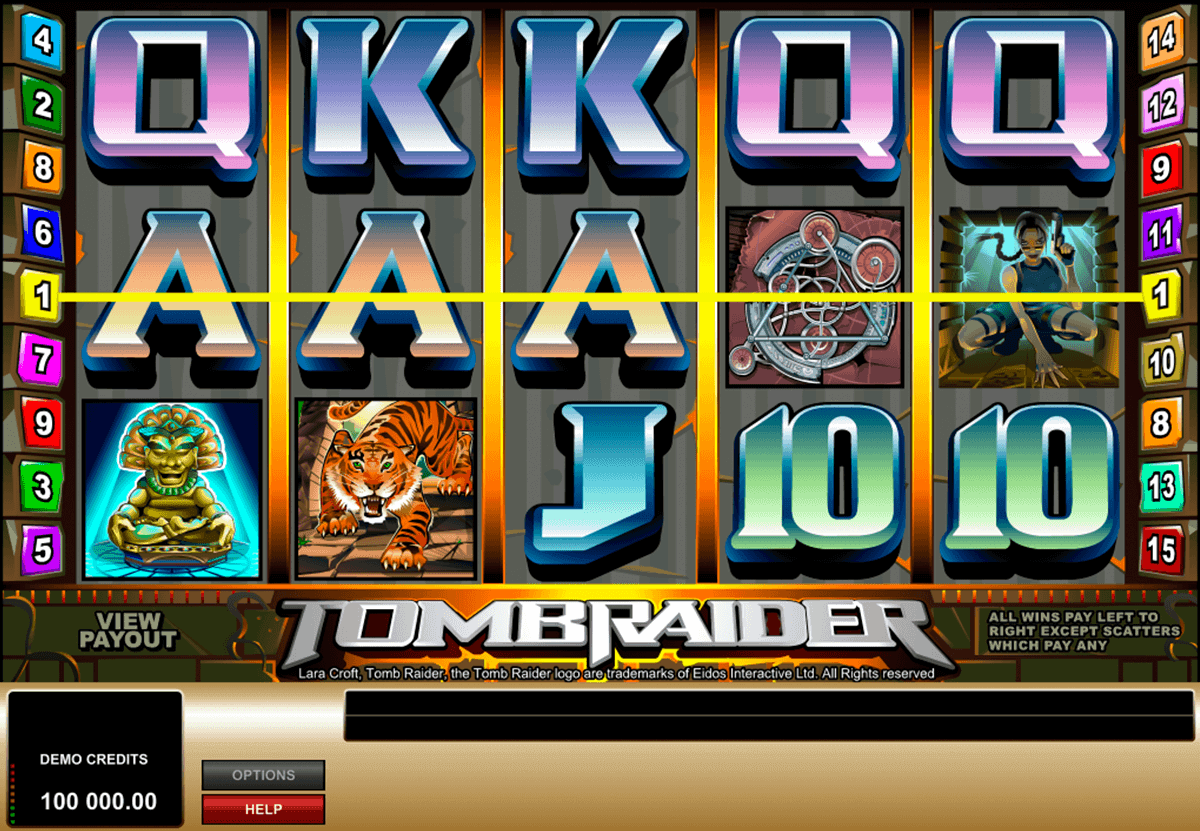
Modern slot machines typically feature multiple reels, often three or five, with a variety of symbols on each. The objective is to align these symbols in a specific combination that corresponds to a winning payout. The paytable, usually displayed on the machine, outlines the various combinations and their associated payouts, allowing players to understand what they can win.
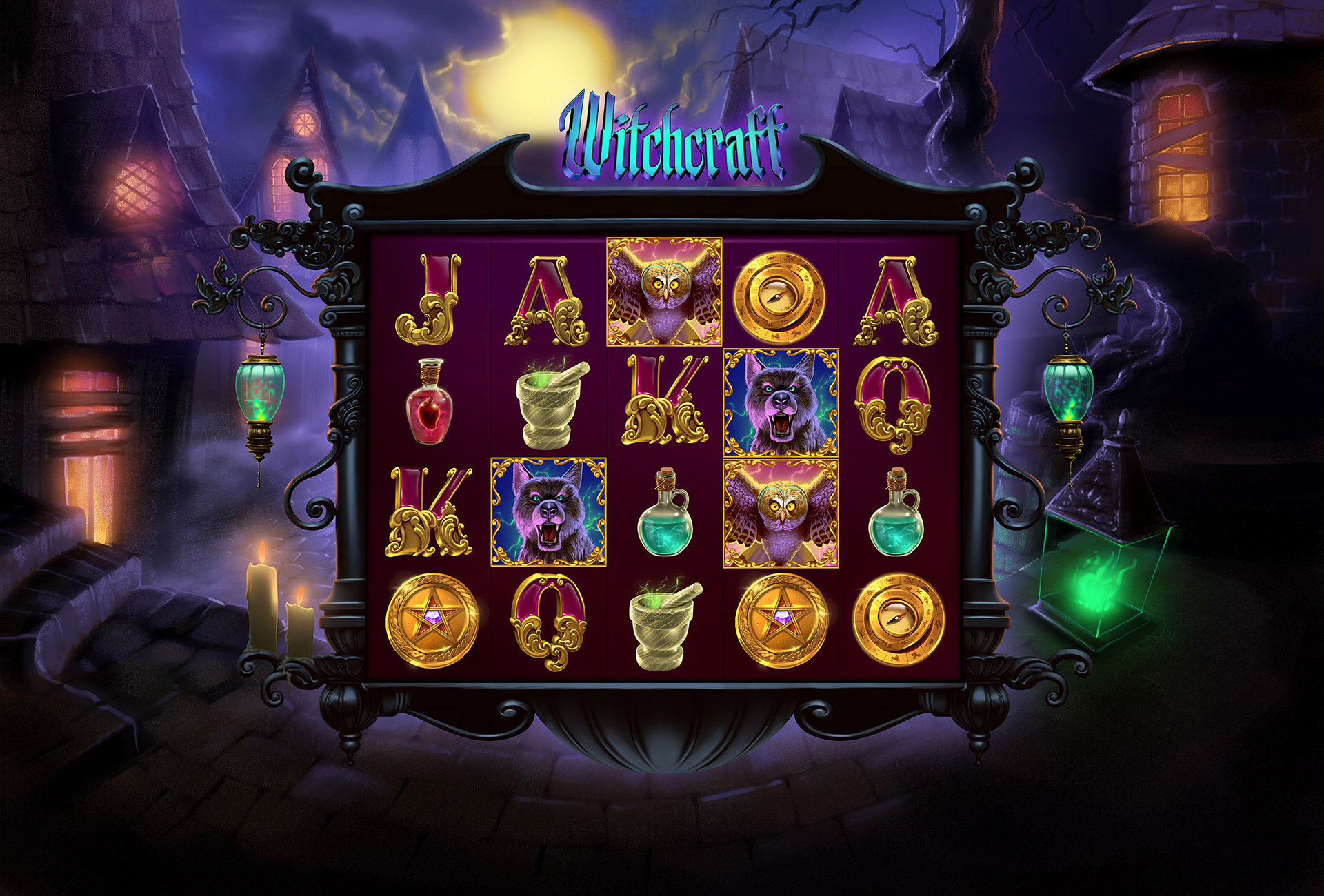
In addition to traditional symbols, many slot machines incorporate special features such as wild symbols, scatter symbols, and bonus rounds. Wild symbols can substitute for other symbols to create winning combinations, while scatter symbols can trigger bonus features or free spins. Bonus rounds often provide players with additional opportunities to win without placing more bets, enhancing the overall gaming experience.
Another critical aspect of slot machines is the concept of return to player (RTP) percentage. This percentage indicates the amount of money wagered on a machine that is returned to players over time. For example, a slot machine with an RTP of 95% means that, theoretically, for every $100 wagered, $95 will be returned to players as winnings over an extended period. However, this does not guarantee individual outcomes, as the RTP is calculated over thousands of spins.

Slot machines also utilize a feature known as “volatility,” which refers to the risk involved in playing a particular machine. High volatility machines may offer larger payouts but less frequently, while low volatility machines tend to provide smaller, more consistent payouts. Players can choose machines based on their risk tolerance and gaming preferences.
To maintain player engagement, casinos often implement loyalty programs and promotions that reward players for their activity on slot machines. These can include free spins, cash bonuses, or entry into exclusive tournaments. Such incentives encourage players to continue playing, even if they experience losses.
Overall, casino slot machines are designed to be entertaining and engaging, combining chance with the thrill of potential rewards. Understanding the mechanics behind these machines, including the role of RNGs, paytables, RTP percentages, and volatility, can help players make informed decisions and enhance their overall gaming experience. While luck plays a significant role in slot machine outcomes, being aware of how these machines operate can lead to a more enjoyable and potentially rewarding experience.