

The evolution of gambling tracing its historical journey through time
Ancient Origins of Gambling
The roots of gambling can be traced back to ancient civilizations, where games of chance were a popular pastime. Archaeological findings suggest that as early as 3000 BC, the Chinese were using rudimentary forms of gambling, with dice made from animal bones. Similarly, the Egyptians engaged in various betting games, often linked to their religious practices. These early forms of gambling were not just for entertainment; they played a significant role in social interactions and community bonding. Today, many people look for top bitcoin casinos to experience similar thrills in a modern setting.

In addition to dice, other early games included betting on sporting events and board games. The ancient Greeks and Romans had established gambling as a significant part of their culture, with the latter even legalizing certain forms of betting. The development of these early gambling practices laid the foundation for more sophisticated gaming systems that would evolve in subsequent eras.
The Middle Ages and the Rise of Casinos
The Middle Ages saw gambling undergo a transformation, particularly in Europe. The establishment of gaming houses, the precursors to modern casinos, marked a significant shift in how gambling was organized and regulated. These establishments provided a safe environment for bettors, and games like cards and dice became increasingly popular. However, gambling was often met with societal scrutiny and regulation, as authorities sought to control its influence over public morals.
During this period, lotteries emerged as a state-sanctioned means of raising funds, which further legitimized gambling activities. Despite occasional crackdowns, gambling flourished, particularly in the courts of kings and nobles, solidifying its place in European culture. The first official casino, the Casino di Venezia in Italy, opened its doors in the 17th century, marking a pivotal moment in the evolution of gambling.
The Enlightenment and Legalization of Gambling
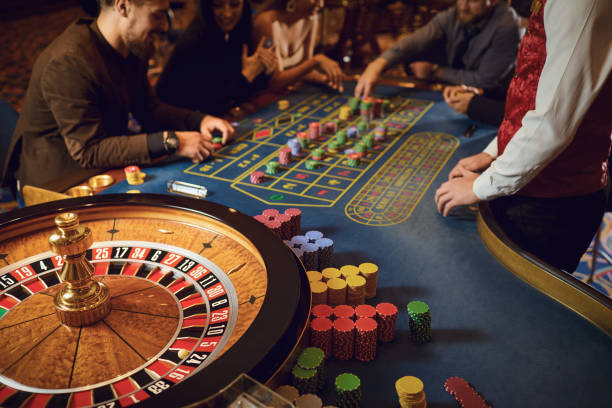
The Enlightenment era heralded a new age of reason and individual rights, leading to further acceptance and legalization of gambling in various forms. As societies evolved, so too did the perception of gambling. It was seen less as a vice and more as a legitimate form of entertainment. By the 19th century, gambling houses were flourishing, and games such as roulette and blackjack became popularized in Europe.
Moreover, the establishment of betting on horse racing offered new avenues for gamblers. The introduction of gaming laws ensured regulation and fairness, protecting players and operators alike. This evolution marked a significant step toward the modern gambling landscape, where regulations would continue to shape and influence the industry.
The Digital Age and Online Gambling
The late 20th century brought about a technological revolution that changed the face of gambling forever. The advent of the internet facilitated the rise of online casinos and betting platforms, making gambling accessible to a global audience. Players could now place bets and play their favorite games from the comfort of their homes, which dramatically increased the popularity of gambling.
With this digital transformation came new challenges, including the need for regulatory frameworks to address concerns like addiction and fraud. However, the online gambling industry has continued to grow, with innovative technologies such as live dealer games enhancing the user experience. Today, online gambling offers an array of options, catering to diverse tastes and preferences, and represents the current frontier in the evolution of gambling.
Exploring More About Gambling
As we delve deeper into the history of gambling, it becomes clear that this activity reflects broader societal changes and cultural shifts. Gambling has evolved from ancient rituals to a billion-dollar global industry that encompasses everything from traditional casinos to online platforms. Understanding this evolution not only enriches our appreciation for the games we play but also highlights the ongoing dialogue around regulation, ethics, and responsible gambling.
For those interested in the intricacies of the gambling industry, exploring dedicated websites can provide valuable insights and resources. These platforms often include historical perspectives, current trends, and responsible gambling practices, making them a go-to destination for enthusiasts and newcomers alike. The journey of gambling is far from over, with new developments and innovations continuously shaping its future.